


What is gum disease, and what can we do about it?
Healthy gums are essential to maintain healthy teeth, and gums should be just as much a priority as teeth. Healthy gums are usually a light shade of pink, and firm to touch. Gum disease is very common and most people will experience some form of gum disease during their lifetime. If found early enough the good news is that it is reversible, but if left unchecked it can lead to more serious issues and ultimately tooth loss. If you were to go without brushing your teeth for just two weeks, you would start to see the beginning signs of this infection in the form of swelling or soreness.
There are 3 stages of gum disease:
Stage 1 – Gingivitis
If plaque is not removed it produces acids, which irritate and inflame the gums. At this early stage gum disease can be difficult to detect, but you may notice bad breath, and red, swollen gums which bleed easily when brushed. Gingivitis is benign and you can reverse the effects by better plaque removal to achieve a complete recovery.
Stage 2 – Periodontal Disease
If untreated gingivitis can slowly move into the first stages of periodontal disease. The plaque hardens into tartar where further bacteria can attack the gums. Over time the gums recede to expose the bone and tissue which hold the teeth in place, and leads to permanent damage to gum tissue.
Stage 3 – Advanced Periodontal Disease
Due to the severe gum recession teeth will become loose and painful. Tooth loss is highly likely and even the use of dental implants may not be possible
To avoid gum disease it is important to follow a good oral care regime and to clean between teeth and below the gum line where plaque and bacteria can hide. See our page on How to clean between.
Top Tips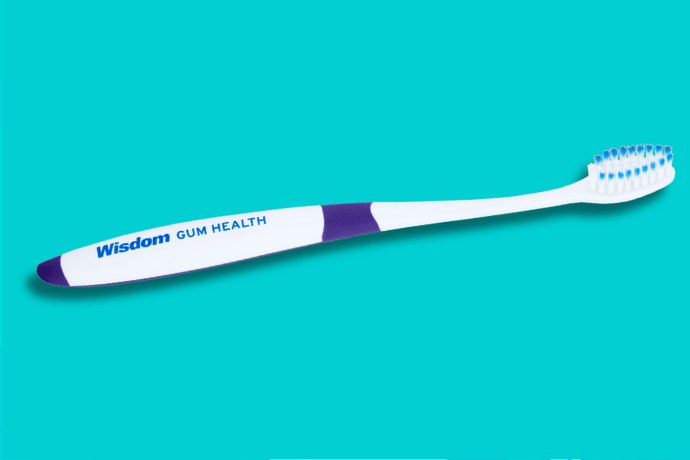
-
Visit your dentist as regularly as they recommend. If you develop red or swollen gums, or gums that bleed during cleaning, book an appointment with your dentist, even if it is prior to your next check-up.
-
Complete a 3 stage oral care routine – clean between your teeth with an interdental product, and follow by brushing for 2 minutes. This should be done before bed and at one other time during the day. Plus, use a mouthwash at another time during the day such as after lunch. Don’t eat or drink for 30 minutes after using a fluoride mouthwash.
-
Don’t avoid brushing if your gums are inflamed – use a sensitive texture brush, such as Gum Health to ensure your gums aren’t further aggravated.
-
Chlorhexidine mouthwash can be used in the short term when you encounter a problem with your gums. The 0.2% chlorhexidine will help kill the oral bacteria which can cause damage to your teeth and gums, whilst forming a protective shield against plaque bacteria. This must not be used for any longer than 1 month, and should not be used in replacement of seeing your dentist for more complex issues.
-
You may benefit long term by using Wisdom Daily Gum Health mouthwash and toothpaste for the ultimate protection of teeth and gums. These products are safe to use on a daily basis.
-
Whenever possible, choose foods rich in essential vitamins and minerals to support healthy gums and help prevent gum disease. Key nutrients include vitamin C (found in berries, fruits and leafy greens), vitamin B12 (from protein sources like meat, milk and eggs) and omega-3 fatty acids (found in oily fish).