


What is dental erosion?
Common in both adults and children, this is a gradual attack on tooth enamel that is caused by acid wearing down the tooth surface.
Due to changes in diet, it is becoming more common for dental or ‘acid’ erosion to be a real issue in both adults and children. It is caused by acid in food and drink, which gradually softens tooth enamel and makes it easier to wear down when brushing teeth.
Teeth are used every day and come into contact with a great deal of different foods and chemicals. The mouth is usually a pH neutral environment however, quite a lot of things in our diet do contain acid. This acid can come from carbonated drinks, wine, salad dressings and even fruit juices. Dental erosion can affect all ages but particularly effects children when teeth are still developing. You may notice that you have acid erosion if your teeth start to change in appearance (discolour), or if you are starting to feel areas of sensitivity.
Erosion is found initially in the enamel, and if unchecked, may proceed to the underlying dentin. Ultimately, if your teeth loose their protective enamel layer, you are more likely to suffer from tooth discolouration or tooth loss. Once acid erosion takes place it is irreversible, so extra care needs to be taken when looking after you teeth to make sure you are protected.
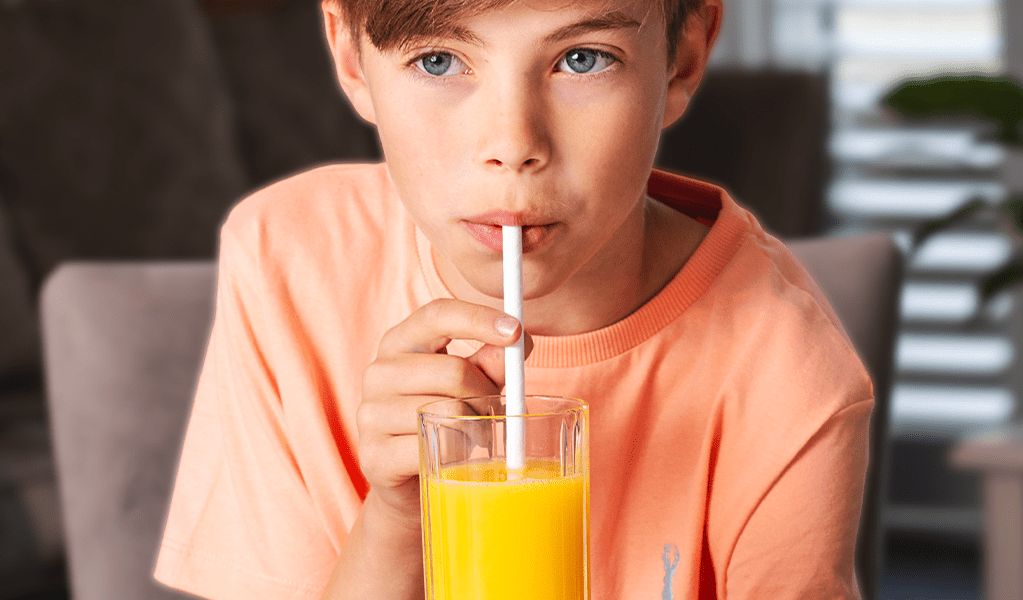
The most common cause of erosion is by acidic foods and drinks. So by limiting the number of carbonated or acid based drinks you consume, you minimise the effects of acid erosion. Not ‘swishing’ drinks around the mouth for too long or using a straw can also help. It is also useful to know, to avoid damaging the softened enamel you should not seek to brush your teeth immediately after exposure to acidic food and drinks. Instead, wait for a least 30 minutes to 1 hour after eating/drinking before brushing your teeth.